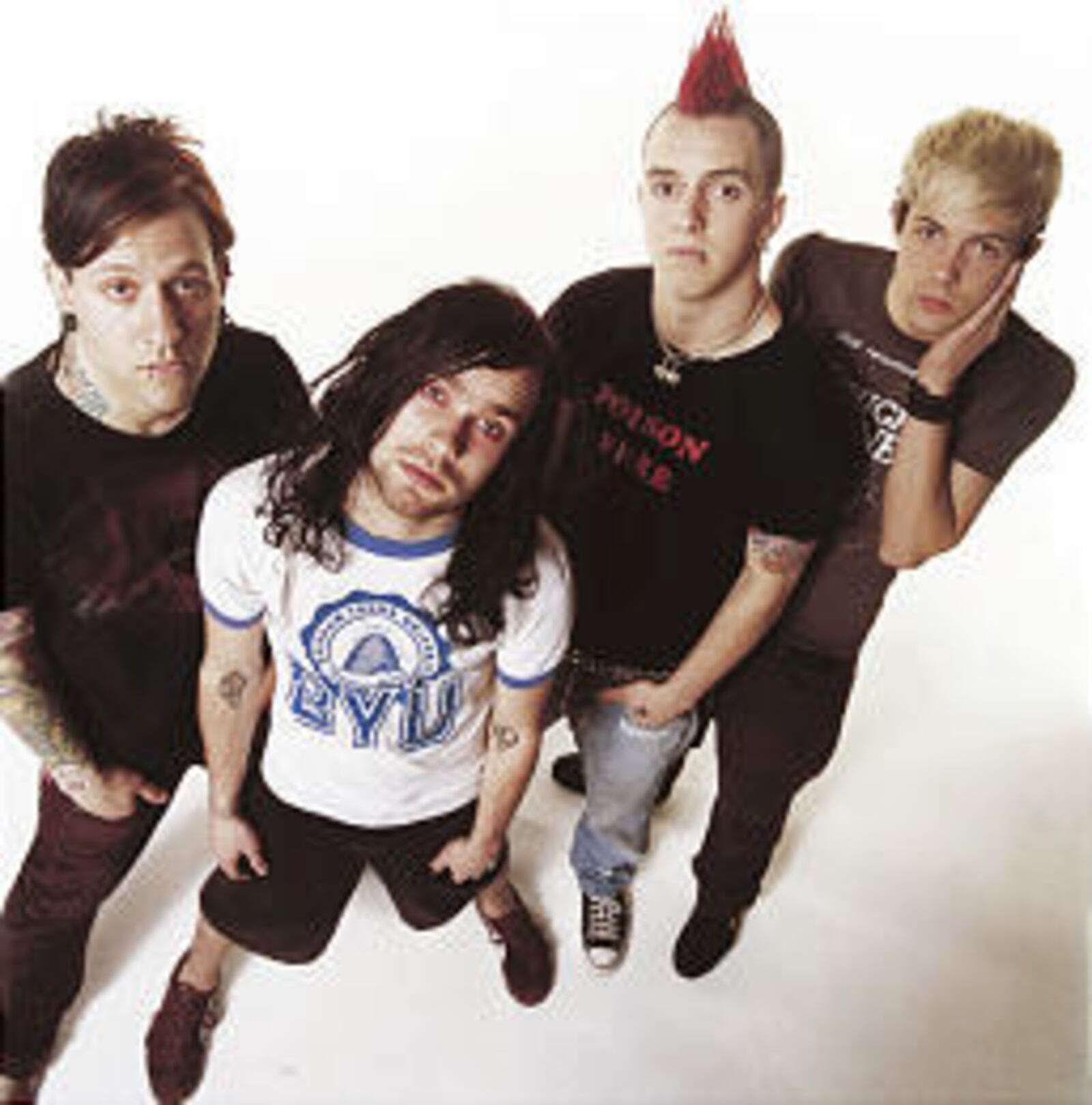
Before The Used became a soundtrack for kids who felt out of place, they were making demos in an Orem closet. Bassist Jeph Howard’s mother’s apartment was an early recording space; a rented house followed. The rooms were small. The ambition wasn’t.
In 2001, singer Bert McCracken, guitarist Quinn Allman, Howard and drummer Branden Steineckert formed a band in Utah County. Within a year, their songs were heading far beyond it. Their story belongs to the same valley often associated with polished family life and mountain views—but it came from the friction beneath that picture.
Four musicians, different routes to Orem
McCracken was born in Provo and raised in Orem. His hometown was more than a press-kit detail: the desire to get out, and the difficulty of fitting in, became part of the emotional world listeners heard in the band’s early music.
Allman was born in Orem. Published biographical accounts trace his childhood through Springville and, later, Pleasant Grove. His roots stretched across Utah County rather than one city boundary.
Howard was born in Colorado Springs and came of age in Orem. In interviews, he has described feeling like an outsider as someone who wasn’t Mormon. That distinction matters: the four founders didn’t share an identical upbringing simply because they made music together in Orem.
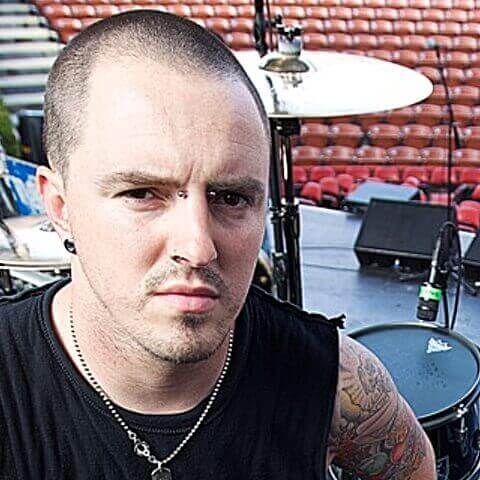
Steineckert was born in Pocatello, Idaho, and spent much of his life in different parts of Utah. His Remo artist biography describes years of local bands before The Used came together. He also recorded and produced their home demos. Orem was their point of convergence, not everybody’s birthplace.
The songs that got out
The breakthrough began with songwriting. In Pollstar’s 2003 cover story, Steineckert described choosing to develop material instead of repeatedly playing the same small local circuit. He sent songs to Goldfinger frontman and producer John Feldmann, whose involvement opened a path to management, label interest and Reprise Records.
Their self-titled debut arrived in 2002. “The Taste of Ink,” “Buried Myself Alive” and “A Box Full of Sharp Objects” offered different entrances into the same charged world: restless guitars, physical drumming, and a singer who could move from a tuneful confession to a scream.
The hooks made the feeling memorable. The rough edges made it believable. A listener didn’t need to know Orem to recognize the ache of wanting somewhere else to go.
Where emo met post-hardcore
The Used didn’t invent emo. The genre had a history long before their debut. Their contribution was helping define what it sounded—and felt—like for a new, much larger early-2000s audience.
They brought post-hardcore’s force and abrupt changes into songs with choruses people could carry home. McCracken’s vulnerable delivery made that intensity feel personal; Allman, Howard and Steineckert gave it a band’s muscular push and pull. Melody and abrasion belonged in the same song.
The 2004 follow-up, In Love and Death, reached No. 6 on the Billboard 200. Songs including “All That I’ve Got” extended their reach without abandoning emotional exposure. Kerrang! later included the record in its reader-voted list of the 25 greatest emo albums—one measure of how firmly the band entered the genre’s memory.
Back in Utah, there had already been a smaller, clearer sign. At Warped Tour at the Utah State Fairpark in 2002, the power failed during “The Taste of Ink.” The crowd kept singing, McCracken and Howard recalled to the Deseret News.
The sound system stopped. The song had already found its people.