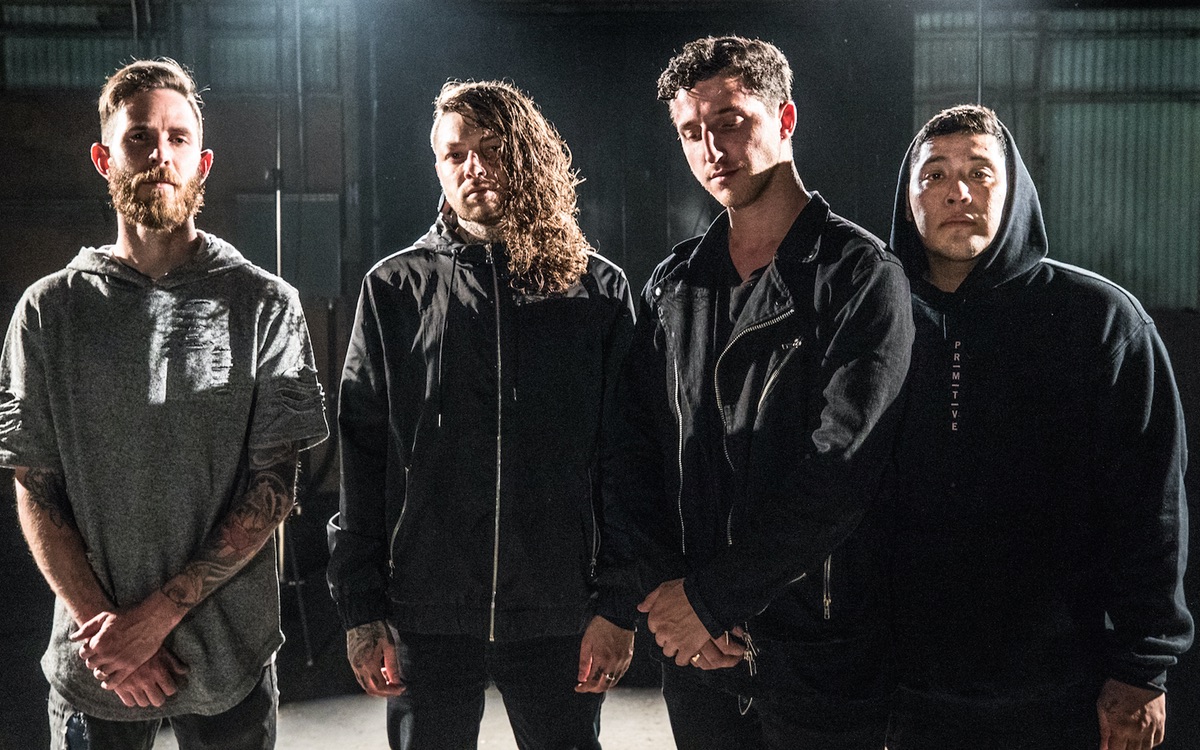
Utah’s music history has a very loud side. Long before a casual listener might connect Salt Lake City with extreme music, local bands were building records, touring circuits and reputations that traveled far beyond the Wasatch Front.
Chelsea Grin carried Salt Lake into deathcore’s international conversation. Gaza and Cult Leader made the city a source of abrasive, adventurous heavy music. Visigoth took its traditional-metal spirit to audiences overseas. Together, they reveal an underground whose achievements deserve a place beside Utah’s better-known pop and indie success stories.
The crucial detail: these four bands don’t belong to one genre. Deathcore is the doorway into this story; the rooms beyond it are much stranger and more varied.
What deathcore actually is
Deathcore combines death metal’s harsh vocals, dense riffing and rapid-fire drumming with hardcore and metalcore’s physical rhythms. Its signature collision is speed giving way to a breakdown: a slower, sharply accented passage that makes the crowd move together. Low growls, high screams and heavily tuned-down guitars are common ingredients, though individual bands use them differently.
Its roots reach into 1990s death metal and metallic hardcore. In Metal Hammer’s history, Despised Icon guitarist Eric Jarrin describes drawing from Suffocation, Devourment and Dying Fetus alongside Hatebreed and Madball. Montreal’s Despised Icon became an early-2000s pioneer of that synthesis. The mid-2000s MySpace era helped bands including Suicide Silence and Whitechapel bring it to a wider audience.
Utah didn’t invent that combination. It produced one of the bands that helped carry it forward.
Chelsea Grin: Salt Lake goes international
Formed in Salt Lake City in 2007, Chelsea Grin became Utah’s most recognizable deathcore export. Their 2010 debut, Desolation of Eden, established an early landmark in a career built around extreme vocals, punishing rhythms and touring.
The scale of their breakthrough is measurable. Ashes to Ashes debuted at No. 27 on the Billboard 200 in 2014, selling roughly 10,600 copies in its opening week, according to contemporary reporting. A Salt Lake deathcore band had landed in the same national album chart as mainstream stars.
Their significance is that reach: they helped make Utah visible to a generation discovering heavy music through online communities and festival bills. Chelsea Grin’s publicity biography lists Warped Tour among their touring history. This was local extremity finding a much larger audience without becoming easy listening.
Gaza: a different kind of heavy
Gaza belongs to the neighboring territory of mathcore, grindcore and sludge: jagged structures, dissonance and a sense that the song might turn a corner without warning. Their 2006 debut, I Don’t Care Where I Go When I Die, and 2009’s He Is Never Coming Back helped establish a fiercely individual Salt Lake voice.
In a 2009 SLUG interview, the band emphasized that its recordings were made locally, apart from mastering, with engineer Andy Patterson. Their success included releases through Black Market Activities and repeated touring, including Europe. They were taking the city’s creative work outward, not just putting a Utah address on it.
Cult Leader: the next branch
After Gaza ended in 2013, three members—Anthony Lucero, Mike Mason and Casey Hansen—formed Cult Leader with bassist Sam Richards. Lucero moved from bass to vocals. Deathwish Inc., co-founded by Converge’s Jacob Bannon, signed the new Salt Lake band.
Lightless Walk followed in 2015, recorded with Kurt Ballou at God City Studios. A Patient Man arrived in 2018. Across those records, the band paired grinding aggression with slower, mournful passages, expanding what its heaviness could express. The shared personnel provide a direct Utah lineage; Cult Leader developed a distinct identity within it.
Visigoth: another road out of Salt Lake
Visigoth are traditional heavy metal, with epic and power-metal influences: soaring clean vocals, memorable guitar lines and fantasy-minded storytelling. Formed in 2010, they signed with Metal Blade in 2014 and released The Revenant King in 2015, followed by Conqueror’s Oath in 2018.
Their label documents appearances at underground festivals including Keep It True and Frost & Fire. Conqueror’s Oath was recorded in Salt Lake with Andy Patterson—the same engineer in Gaza’s local recording story. Different sounds, shared hometown resources, international audiences.
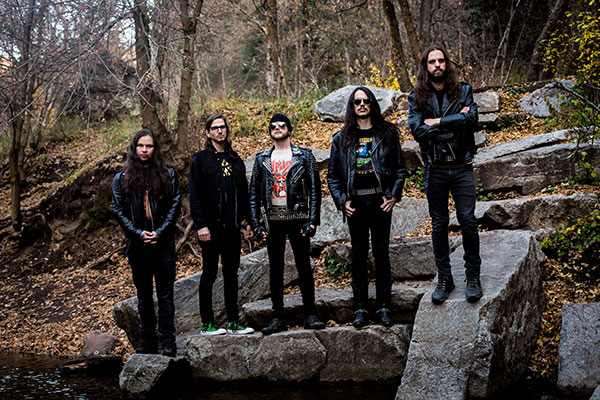
That is the history worth uncovering. Utah’s heavy underground produced chart success, influential label relationships and overseas followings through several musical languages. Start with Chelsea Grin for deathcore, follow Gaza into Cult Leader, then let Visigoth change the atmosphere entirely. There is more than one way for Salt Lake to shake a room.