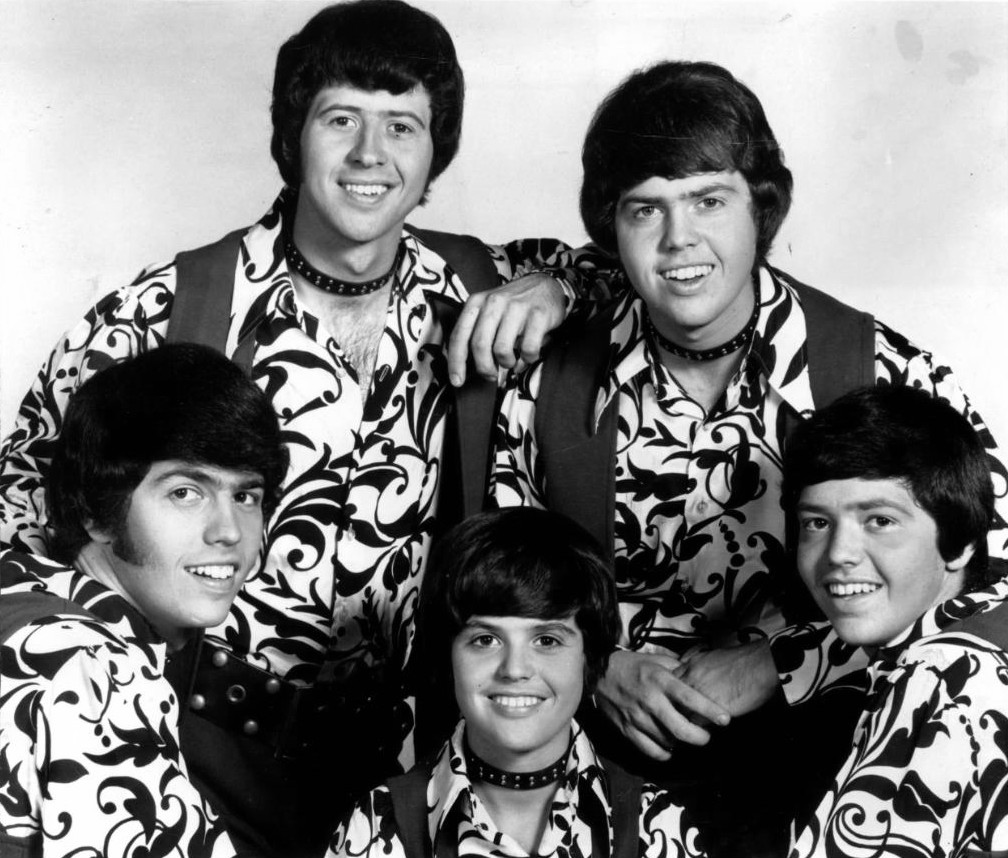
Before Donny Osmond became a familiar face in Las Vegas, he was a boy from Ogden with a No. 1 record. In September 1971, “Go Away Little Girl” topped the Billboard Hot 100. He was 13.
Another young singer was living a remarkably similar life. Michael Jackson had brothers beside him, a family name becoming a phenomenon, and an audience that expected extraordinary things from a child. Their connection went considerably deeper than matching smiles on a magazine rack.
The coincidences were personal
In a February 2012 Dr. Phil appearance, preserved on Osmond’s official YouTube channel, Donny discussed their friendship and the similarities of their youth. Contemporary coverage records the details he singled out: nine children in each household, the same place in the sibling lineup, and mothers who shared a birthday.
That birthday was May 4: Olive Osmond was born in 1925; Katherine Jackson in 1930. Both mothers were musical, too—Olive played saxophone and Katherine played clarinet.
The sibling comparison needs one qualification. Donny was the seventh of nine Osmond children. Michael was seventh among the nine Jackson children who survived infancy; Marlon’s twin, Brandon, died shortly after birth. The familiar “seventh of nine” description leaves out that family loss.
More consequential than those coincidences was their shared experience: childhood spent rehearsing, recording and performing with older brothers. Each knew something about the other’s life that an ordinary school friend could hardly understand.
A comparison the record business deliberately built
The Osmonds’ pop breakthrough was no accidental resemblance to the Jackson 5. In his own account, record executive Mike Curb describes proposing a “white Jackson 5,” asking the Osmond Brothers to shorten their name and work with Black musicians.
The resulting hit, “One Bad Apple,” reached No. 1 in 1971. Its bright, youthful soul sound made the comparison easy to hear. The Jackson 5 had already established the commercial force of that approach: their first four Motown singles, from “I Want You Back” through “I’ll Be There,” all reached No. 1.
Donny brought his own preparation. He had debuted on The Andy Williams Show at five, learning to hold a television audience long before his solo records arrived. His appeal combined vocal sweetness, precise performance and an unusually approachable image. “Puppy Love” helped turn that image into a lasting emotional attachment for fans.
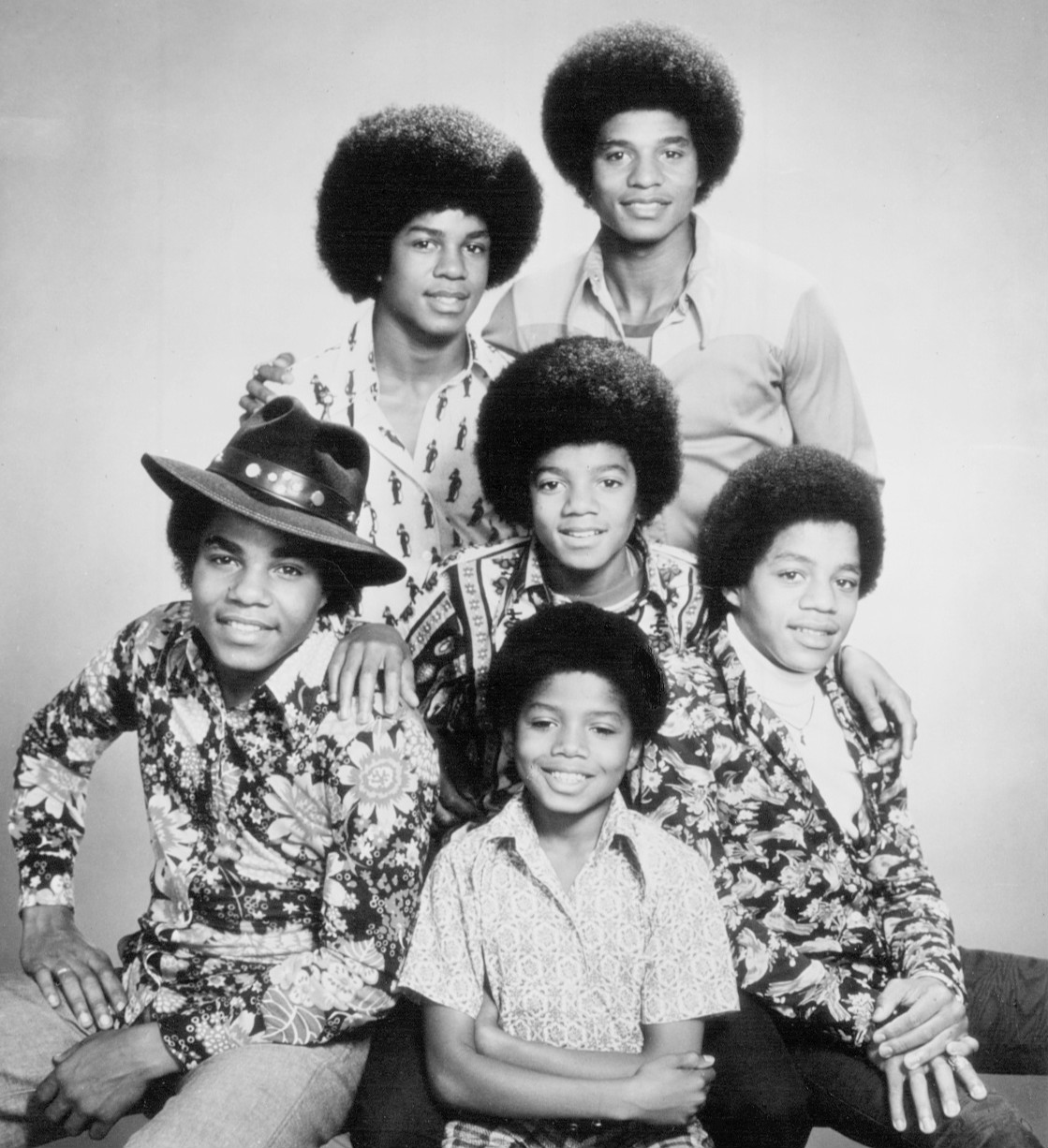
Calling him a white Michael Jackson captures the way the industry positioned him in that moment. It also reveals whose success supplied the model: Black performers and the Motown sound were central to the story.
Friends beyond the comparison
Osmond’s memories describe a friendship with room for ordinary pleasures. In an early recollection shared on his official channel, he remembered eating tacos with Michael while riding along Sunset Boulevard in a limousine. Two famous teenagers could still want the same uncomplicated night out.
There was blunt career advice, too. In a 2022 interview with Dan Clark, Donny recalled driving Michael to see Quincy Jones and hearing a cassette of Thriller. When Donny asked how to return to the charts, Michael advised changing his name: the wholesome Osmond identity had become an obstacle.
That is Donny’s recollection of their conversation. His eventual comeback offers a telling connection: he said radio initially played “Soldier of Love” without identifying him. The record reached No. 2 in America in 1989. Listeners could hear an adult singer before confronting their expectations of the teenager.
What Utah sent into pop culture
Their careers ultimately took different shapes. Michael became a defining force in global pop; Donny built a remarkably durable career across records, Donny & Marie, musical theater and live entertainment.
Their early influence also traveled together. In coverage of the documentary Larger Than Life: Reign of the Boybands, New Edition’s Michael Bivins identified the Osmonds and Jackson 5 as formative inspirations.
For Utah, that puts Donny in a larger lineage than nostalgia alone suggests. A child performer from Ogden helped establish what a modern teen idol could look like—and helped leave a template that later generations of pop groups would recognize. Behind the comparison were two boys who understood the work. Both had started before childhood was over.