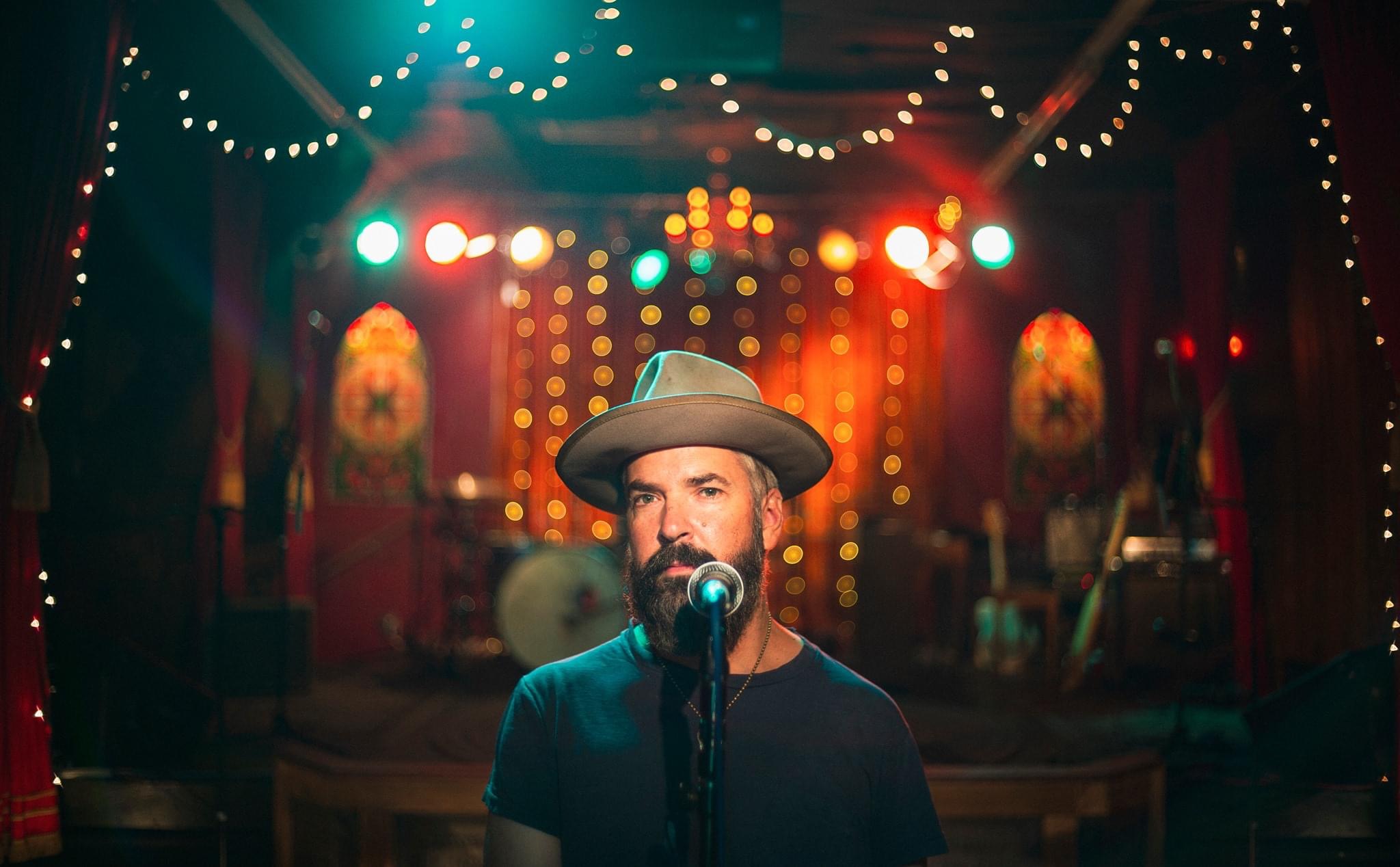
The distance between a small room on University Avenue and a worldwide audience can seem impossible. Provo has helped bands cross it more than once.
Neon Trees, Imagine Dragons, The Aces and The Backseat Lovers all passed through Velour Live Music Gallery before reaching much larger stages. Their music isn’t interchangeable. That is what makes the city’s contribution interesting: Provo developed a place for bands to become themselves, then sent several very different versions of Utah into the world.
A scene built for listening
Corey Fox opened Velour in 2006 at 135 N University Avenue. Its all-ages format made a practical difference: teenage musicians could perform for teenage fans, building experience before they were old enough to enter many clubs elsewhere. Open mics, showcases and competitions gave ambition a stage and a next step.
The Aces described that advantage in a 2018 Capitol Sound DC interview. They could play the same venues as adult bands while still in their early teens, selling tickets to classmates and treating the next show as a goal. That kind of repetition develops more than confidence. It teaches a band which songs hold a room.
Velour wasn’t working alone. Muse Music was another important local room; BYU brought musicians into the valley from elsewhere. The free Rooftop Concert Series put local artists in front of broader downtown crowds. Its archives document Imagine Dragons in 2011 and a 2014 bill pairing Neon Trees, Fictionist and The Blue Aces—the group later known as The Aces.
The bands, and where their stories began
The Used: The neighboring city of Orem produced the band in 2001, before Velour opened. Their first show was at Johnny B’s Comedy Club in Provo. The contrast is useful: Utah County’s story includes the scream-and-melody intensity that helped define 2000s emo and post-hardcore, alongside the pop breakthroughs that followed.
Neon Trees: Tyler Glenn and Chris Allen came from Southern California and established the band in Provo in 2005. They eventually joined forces with bassist Branden Campbell and drummer Elaine Bradley, who had come to BYU from the Chicago area. Provo supplied a home audience; a connection with The Killers helped open the touring door. “Animal” and “Everybody Talks” carried their bright, new-wave-inflected pop-rock onto national radio. The latter reached No. 6 on the Billboard Hot 100 in 2012.
Imagine Dragons: Las Vegas native Dan Reynolds started an early version of the band while studying at BYU in 2008. Original drummer Andrew Tolman later recruited guitarist Wayne Sermon, his friend from American Fork. The lineup evolved, and Las Vegas became the band’s base. Their story connects Provo’s student music scene, American Fork and Las Vegas. Their eventual blend of rock, electronic production and enormous percussion reached a global audience, with “Radioactive” winning a Grammy.
The Aces: Sisters Cristal and Alisa Ramirez, Katie Henderson and McKenna Petty grew up in Orem and developed as a band in the neighboring Provo scene. Their story carries both the opportunity and tension of Utah County. In a 2023 SLUG interview, they explained how I’ve Loved You For So Long confronted growing up queer in a restrictive environment. The scene gave them a platform; their songs also questioned the culture surrounding it.
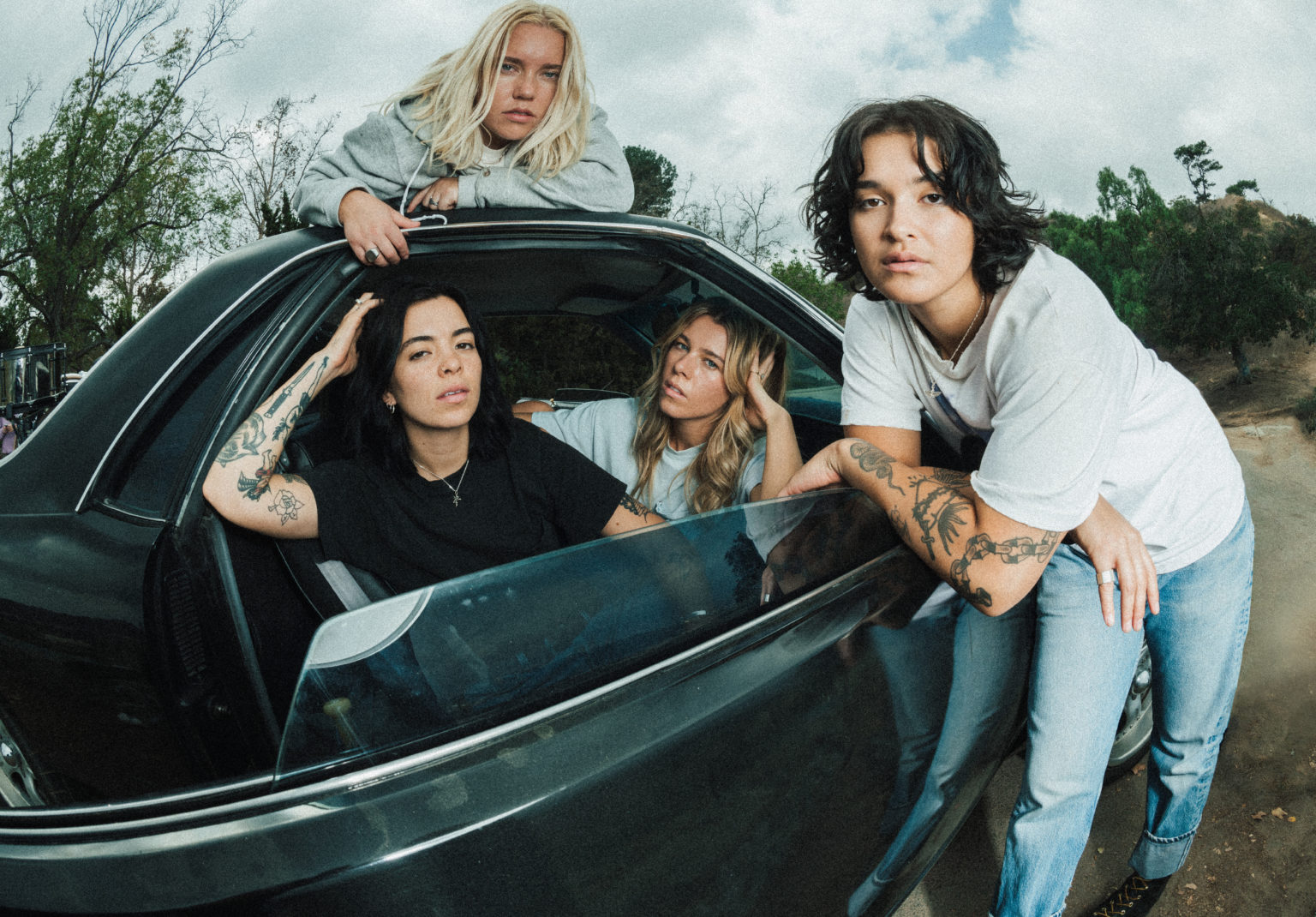
The Backseat Lovers: Their early story runs directly through Provo’s performance circuit. They won Velour’s summer Battle of the Bands in 2018, with UVU’s student newspaper reporting on the young group’s chemistry that summer. “Kilby Girl” later reached Billboard’s Rock & Alternative Airplay chart, and Capitol released Waiting to Spill in 2022. Their rise extended the scene’s reach into another generation of guitar-band listeners.
The National Parks: Formed in Provo in 2013, the group built around Brady Parks and Sydney Macfarlane took a different route: folk-rooted songwriting that grew toward indie-pop. Parks told KSL that camaraderie and rising standards among local bands helped them improve. Their national touring and songwriting recognition showed that the valley’s opportunities reached beyond radio rock.
What Provo actually changed
These bands didn’t emerge from one sound or one background. The influence was musical, but also practical: young artists could meet collaborators, test original songs and see someone from the same small stage build a career.
Together, their breakthroughs helped put Provo on the music industry’s map. Separately, they brought synth-pop hooks, arena-scale rock, queer coming-of-age stories, guitar-driven indie and communal folk songs to audiences far beyond Utah.
The city’s lasting contribution is the connection between those two scales. A local show can be a place to spend a Friday night. It can also be where a band learns how to reach the rest of the world.